Two Week Meal Plan On A Budget
In this blog post, I’m sharing my two-week meal plan on a budget perfect for a family of any size with a restricted food budget. (PLUS, get a complete free shopping list that you can steal to save you time!)
Meal planning has become a hot topic for anyone looking to cut costs, stay organized, and avoid the midweek takeout temptation.
But let’s be honest — it can initially feel a bit overwhelming.

The truth is that meal planning isn’t just about picking recipes ahead of time.
It can be a serious game-changer for your grocery budget when done thoughtfully.
Whether you’re tired of the post-shopping shock when you see your bill, or you’re wondering why cooking at home isn’t translating into savings, meal planning can help you break the cycle.
It’s not just about cooking at home; it’s about planning smart, affordable meals that work for you.
In this post, we’ll dive into:
- Nine ways meal planning can help you save money
- Additional benefits of meal planning
- The two-week meal plan on a budget
- How to turn these dinner classics into healthy meals
- Additional meal ideas
- Two-week grocery shopping list
Ready to keep more cash in your pocket?
Let’s get started!
This post may contain affiliate links, meaning if you make a purchase, I may earn a small commission, at no cost to you. Please read the disclosure for more information.
9 Ways Meal Planning Can Help You Save Money
1. Helps Prioritize Affordable Ingredients
I’ve heard from many people over the years that I cook from home every day, and we only eat out once a month, but I still can’t match our monthly grocery budget. What am I doing wrong?
There’s no doubt about it – eating at home will save you a significant amount of money!
However, it doesn’t necessarily mean you’re prioritizing affordable ingredients.
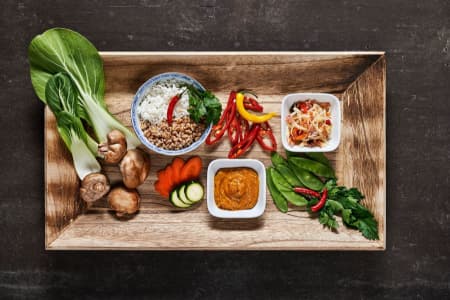
If the recipe you’re cooking calls for several ingredients, or worse, specialty ingredients, you’ll find it harder to stick to a budget.
Meal planning can help you here because you can prioritize planning the meals with affordable ingredients rather than cooking recipes on a whim and then wondering why, a month later, you’ve doubled your grocery budget.
2. Fewer Ingredients Needed
This benefit is twofold!
On the one hand, you’ll find it beneficial for your meal planning if you can compile a collection of recipes that use fewer ingredients, as it will bring the average cost per meal down.
On the other hand, if you have recipes that use similar ingredients, you can reuse them across multiple recipes.
For example, if you buy a whole chicken, you can plan different meals around it, reducing the need to purchase separate proteins for each meal.
Approaching your meal planning with this mindset will make it super easy to stick to your monthly budget so you can allocate your money elsewhere!
3. Fewer Impulse Buys
I used to be the worst when it came to impulse buys, not only at the grocery store but basically anywhere I went!
From the plethora of salad dressing options kept next to the lettuce to the chocolate bars and gum sitting at the checkout, I often found myself just grabbing whatever looked good to me at the moment!
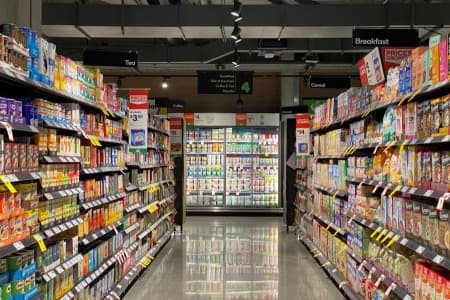
And don’t even get me started on grocery shopping on an empty stomach.
The result was always an overspent grocery budget and an annoyed family budgeter.
Not fun!
But with a grocery list and a bit of discipline, we now save so much money, and it’s far easier to stick to the monthly food budget.
4. Helps Avoid Last-Minute Store Runs
Let’s not forget about the last-minute grocery store runs that we all need to do now and again because we’ve run out of a staple ingredient.
Even when you go in with the mindset of, “I just need a couple of things,” it’s far too easy to get swept up in all the options available at your fingertips and wind up spending more.
But with a strict meal plan, you can reduce the need for last-minute runs to the grocery store, where you almost always walk out with more than you need.
Even if you’re great at sticking to your quick items shopping list, you might feel like you’re carrying the load alone rather than risk sending your spouse to the store—only for them to come back with ten extra items you didn’t ask for.
5. Reduced Food Waste
We’ve all been here before – cleaning out the fridge of produce that’s gone off or leftovers that were never eaten.
And I don’t know about you, but I always get a little pit in my stomach when I throw away food because it feels like throwing away good money.
But by planning meals, you only buy what you need.
Leftovers and unused ingredients get incorporated into future meals.
You only buy what you need, meaning no food will go uneaten.
It’s a win-win!
6. Enables Bulk Buying
With so many of your meals using simple ingredients, it is easy to bulk buy instead of buying everything in small portions.
This probably brings to mind ingredients like rice, pasta, black beans, and lentils, but it doesn’t have to end there.
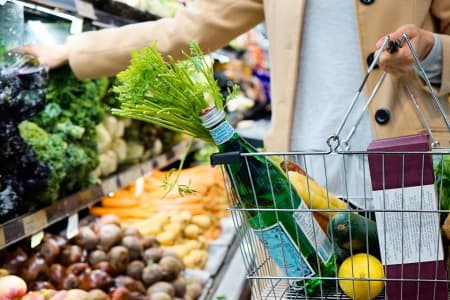
You can prioritize all of your pantry staples like:
- Olive oil or vegetable oil
- Condiments, such as ketchup, mustard, soy sauce, honey, peanut butter, jam, syrup, etc.
- Canned goods, such as tomatoes, beans, vegetables, etc.
- Seasonings (I always like to keep onion powder, garlic powder, basil, oregano, cinnamon, chilli powder, and taco seasoning on hand)
- Dry baking ingredients, such as flour, baking powder, baking soda, brown sugar, etc.
If you have plenty of freezer space, you can also buy other things in bulk, like your proteins, frozen vegetables, bread, etc.
While buying in bulk might seem expensive, the cost per unit is often much lower than buying everything individually.
The key here is to ensure everything is used so you don’t increase your food waste!
7. Reduces the Need for Takeout
A mistake I often see people making when they approach their meal planning is just getting down any good meal idea.
But this approach misses one key problem we all face – a lack of time.
I can’t tell you how often I’ve had a meal planned for that evening, but by the time I get home after a busy day, I couldn’t be bothered to cook anything elaborate, and this is most often when we find ourselves succumbing to the ease of takeout.
But, by meal planning with easy meals that don’t take long to prepare, you reduce the need for takeout.
That’s not even considering all the times you end up eating out simply because you had no plan at all and couldn’t be bothered to think of anything!
8. Makes Use of Leftovers
It is a good idea to utilize leftovers in any weekly meal plan!
I don’t think I’ve ever had a week without some sort of leftovers in my fridge, and these should absolutely be used, even if you’re not trying to save money.
You can either repurpose your leftovers into new meals, like turning a roast chicken into chicken soup or eating the leftovers as one meal.
I’ve even sent leftovers to school with my daughter or my spouse, saving money on making them a different lunch with different ingredients!
9. Enables Better Budget Tracking
Finally, having a low-cost meal plan makes it far easier to track your budget.

For starters, if you’re doing more bulk buying, you’ll have fewer receipts to track, thereby reducing the risk of errors and missed expenses.
Secondly, you’ll be able to do more pre-planning when creating your family’s budget and grocery shopping list, such as looking at what’s on sale, calculating the total grocery bill by looking at prices online, etc.
Not sure how to create a budget for your family? Check out this blog post – How To Budget By Paycheck.
Additional Benefits Of Meal Planning
So far, we’ve covered a lot of financial benefits of meal planning like this.
But there are other bonus points to keep in mind when you maybe don’t feel like meal planning or are struggling to stick to the plan you’ve laid out!
1. You Can Stick To Simple Meals
There is absolutely no rule that says you have to cook complex meals for your family every night!
In fact, in my experience, the easier you make it on yourself, the better outcome you’ll have at staying consistent and avoiding the urge to grab takeout on the way home.
Choose recipes that require little effort, and your tired future self will be thanking you for it!
2. Encourages Batch Cooking
If you loathe meal prepping, stick with me here for a minute!
There’s no doubt that meal planning creates more opportunities for batch cooking.
But if meal prep is not your thing, that’s okay!
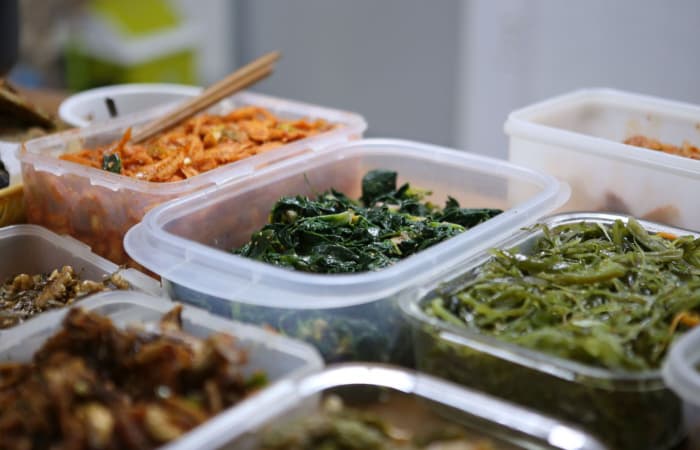
For those of you who wholeheartedly love meal prepping or at least enjoy its benefits during the week, this is a great additional bonus to meal planning.
And you don’t even have to spend hours in the kitchen!
Instead, focus on things you can throw into a slow cooker, ingredients you can batch cook and have ready to go in your fridge, or even just prepping your produce for the week ahead of time.
3. Supports Healthier Eating
Finally, meal planning makes it easier to eat a little bit more healthy, especially when compared to the fast-food alternatives that so many of us consume when we’re on the go or can’t be bothered to cook.
Now, I will say right off the bat that this is not a healthy meal plan.
Instead, I’ve focused on curating a meal plan that uses cheap ingredients.
However, that doesn’t mean you can’t make these more healthy!
In the next section, I am going to break down my two-week meal plan, which is perfect for any family on a budget.
But, if health is a top priority for you, I want you to keep reading this list because I am going to share my top tips for turning these dinner classics into healthy meals without breaking the bank!
Budget-Friendly Two Week Meal Plan
We’ve covered a lot of great stuff in this post already!
But now we’re getting to the meat of this post, excuse the pun, where we dive into what this two-week meal plan on a budget actually entails!
So, here is the daily breakdown.
I’ve done my best to break these up so that you’re not necessarily eating the same protein or cuisine type back to back.
But feel free to rearrange this list however you’d like!
*Note – You’ll see fifteen meal ideas here. Feel free to follow this for 15 days or swap out a meal that your family doesn’t like to make it an even 14-day meal plan!
Day One – Tacos
Day Two – Pork Chops in Mushroom Soup
Day Three – Tuna Casserole
Day Four – Spaghetti
Day Five – Stir Fry with Vegetables
Day Six – Chicken Noodle Soup
Day Seven – Chilli
Day Eight – Leftover Night
Day Nine – Chicken Fried Rice
Day Ten – Homemade Pizza
Day Eleven – Goulash
Day Twelve – Baked Chicken Drumsticks
Day Thirteen – Shepherd’s Pie
Day Fourteen – Grilled Cheese Sandwiches and Vegetable Soup
Day Fifteen – Sloppy Joe’s
How To Turn These Dinner Classics Into Healthy Meals (Without Affecting Your Budget!)
Unfortunately, healthy eating and a tight budget don’t always go together like peanut butter and jelly.
As sad as it is, processed foods made with cheap ingredients are often far more affordable than wholesome ingredients, which can make it feel like an impossible challenge to eat healthy on a budget.
But what if you could take these low-cost meals and make them a little bit healthier?
Yes, it is possible to do this without using more specialty ingredients!
Here are my best tips!
Add More Protein
Not only is protein very filling, it boasts a lot of health benefits for our bodies, such as:
- improving immune function
- optimal bone health
- muscle recovery and growth
- weight loss
- improving brain functions
So, when cooking these classic dinners, don’t hesitate to add more protein!
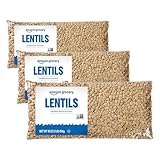
This could come in the form of animal protein, such as adding more ground beef to your spaghetti, or from plant-based protein sources, such as lentils or chickpeas, for an extra boost of nutrition.


Use Leaner Cuts Of Meat
Not all animal proteins were created equal!
For example, did you know:
- 4 oz of chicken breast has about 165 calories
- 4 oz of ground beef (80% lean) has about 290 calories
- 4 oz of steak (sirloin) has about 280 calories
- 4 oz of ground turkey (93% lean) has about 170 calories
- 4 oz of pork sausage has about 330 calories
- 4 oz of salmon has about 250 calories
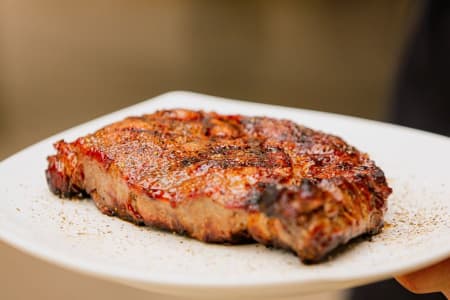
By swapping certain types of meat, you can lower the calorie count of a meal, helping you stay within your calorie goal or allowing you to add more protein without exceeding your intake limit.
Cut Down on High-Calorie, Fat, or Carb-Heavy Items
Listen, I love sour cream on my tacos as much as anyone, and I love baking my spaghetti in the oven with heaps of cheddar cheese.
But it’s usually these high-calorie, fat, or carb-heavy items that make these classic meals go from “good for you” to “unhealthy” really quickly.
So, to make these frugal meals work with your diet, I recommend cutting down.
This can include doing things like:
- Use half the amount of condiments that you usually would. (This applied to salad dressing, ketchup, mustard, etc.)
- Swapping sweet potato or zucchini noodles for pasta or cauliflower rice for regular rice.
- Plan healthier sides, like green beans, instead of mashed potatoes and gravy.
- Cooking with healthier alternatives, like low sodium chicken stock or low fat cream cheese.

Add More Vegetables To Your Plate
We can never get enough veggies on our plates!
So, rather than eating more of the main to fill you up, or worse, filling up on side dishes that contain pasta and rice dishes, I recommend cooking more vegetables to go on your plate!
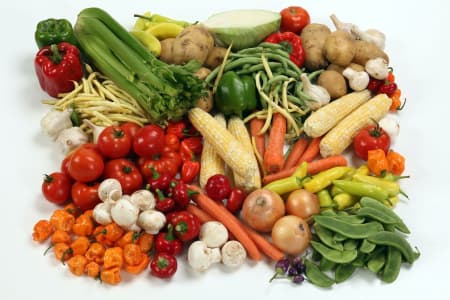
Here are some of my favourite low-cost vegetables that taste great and won’t break the bank.
- Sweet Potatoes
- Potatoes
- Squash
- Carrots
- Broccoli
- Cauliflower
- Cucumbers
To keep the costs down, you can also use bags of frozen vegetables, which is often significantly cheaper than buying fresh produce.
Additional Meal Ideas
You likely noticed this meal plan didn’t include anything for breakfast, lunches, or snacks.
I did this intentionally!
For starters, I rarely ever cook full meals for breakfast and lunch.
Instead, I like to keep the house filled with healthy, low-cost options that can be put together to make a good meal.
Secondly, I like to utilize leftovers where I can, especially for lunches, to cut down on costs and the amount of time I have to spend in the kitchen.
With that said, here are some additional meal and snack ideas you should keep on hand to fit within this two-week meal plan!
Breakfast
- Toast with peanut butter and jam.
- Oatmeal with fresh berries.
- Eggs on toast.
- Smoothies with frozen fruit and vegetables.
- Cereal (focus on healthy cereal options since they’ll keep you fuller for longer)
- Waffles with fresh berries
Lunch
- Leftovers from the night before.
- Wraps or sandwiches made with lunch meat, tuna, egg salad, or peanut butter and jelly.
- Grilled cheese sandwich and soup.
- Salad with leftover proteins.
- Rice and beans.
Snacks
- Fresh fruit (bananas and apple slices are the two cheapest options, but you can also do oranges, kiwis, berries, etc.)
- Raw veggies (carrot sticks, cucumber, broccoli, etc.)
- Rice cakes with a topping like peanut butter, honey, cottage cheese, etc.
- Popcorn.
- Yogurt
- Trail Mix
- Homemade Granola Bars
Feel free to add anything you’d like to any of these lists!
However, one important thing to note before you add anything is to take into consideration the ingredients that all of these ideas require.
You’ll notice most of them can be:
- used in multiple meals or recipes
- purchased in bulk
- bought at a low cost
When people think of giving their kids fruit as a snack, they immediately panic, thinking about the price of things like berries.
But I only buy these things when they are on sale.
Instead, I focus on buying fresh produce that is low cost, like bananas, apples, oranges, cucumbers, carrots, etc.
With all of that out of the way, the last thing to do is give you your grocery list!
Here we go!
Complete Two-Week Grocery List
Wait! Before you run out to the grocery store and buy everything on this list, here are a couple of reminders.
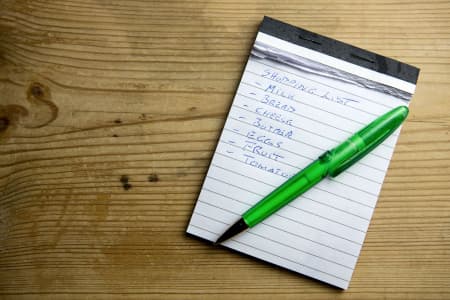
- Make sure you check your pantry, fridge, and freezer for items you may already have.
On a side note, if you don’t have a running inventory of the foods you use regularly, I have a pantry inventory spreadsheet that can help. It tracks quantities, categories, storage locations and expiration dates while flagging items that are low, out of stock or nearing expiration.
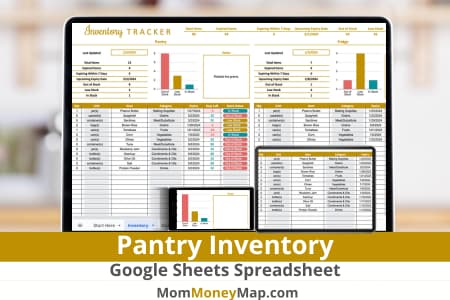
2. Take into consideration any allergies you may need to account for.
3. Be prepared to grocery shop on a budget.
Related: Easy Grocery Shopping Tips On A Budget
Okay, here is your list!
*Note – I’ve included literally everything you’ll need, including pantry staples. Please check off anything you already have in your home!
Produce
- Onions (3-4)
- Garlic (1-2 bulbs)
- Bell peppers (for tacos, stir fry, chilli, and salad)
- Carrots (for chicken noodle soup, shepherd’s pie, vegetable soup, and snacks)
- Celery (for chicken noodle soup, stir fry, shepherd’s pie, and snacks)
- Potatoes (for shepherd’s pie, baked chicken drumsticks, vegetable soup)
- Zucchini (for stir fry and vegetable soup)
- Cucumber (for snacks and salad)
- Broccoli (for stir fry, soup, and snacks)
- Fresh spinach (for salads and smoothies)
- Lettuce (for tacos and salads)
- Fresh tomatoes (for tacos, wraps, sandwiches, and salads)
- Green beans (for vegetable soup, shepherd’s pie, or sides)
- Fresh berries (for oatmeal and waffles)
- Bananas (for smoothies and snacks)
- Apples (for smoothies and snacks)
- Oranges or other fruit (optional for snacks and smoothies)
Meat & Protein
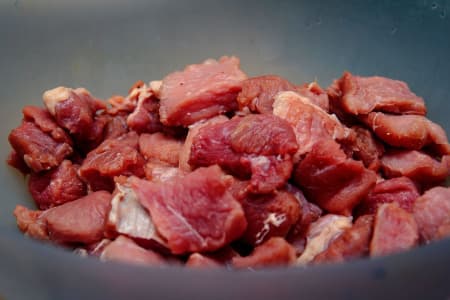
- Ground beef (for tacos, spaghetti, chilli, goulash, and sloppy joes) – approx. 3-4 lbs
- Pork chops (for mushroom soup recipe) – 4-6 pieces
- Canned tuna (for tuna casserole and sandwiches) – 2 cans
- Whole chicken (to be used for stir fry, chicken noodle soup, chicken fried rice, and baked chicken drumsticks) – approx 1 -2
- Ground pork or sausage (for pizza topping or breakfast) – approx. 1 lb
- Eggs (for breakfasts, sandwiches, tuna casserole, and baking) – approx. two dozen
- Deli meats (for sandwiches and wraps) – turkey, ham, or chicken
Canned & Packaged Goods
- Canned diced tomatoes (for chilli, spaghetti, and goulash) – 3-4 cans
- Canned kidney beans or black beans (for chilli, rice & beans) – 3 cans
- Canned mushroom soup (for pork chops and tuna casserole) – 2-3 cans
- Tomato sauce (for spaghetti, pizza, goulash) – 3 cans or jars
- Tomato paste (for chilli and goulash) – 1-2 cans
- Canned vegetables (for tuna casserole or shepherd’s pie) – peas, corn, or green beans
- Canned chicken broth (for chicken noodle soup and vegetable soup) – approx. 6 cups
- Canned tuna or chicken (for sandwiches or wraps) – 2-3 cans
Dairy
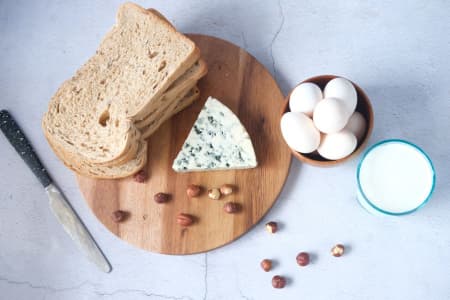
- Shredded cheddar cheese (for tacos, chilli, shepherd’s pie, and grilled cheese sandwiches) – approx. 2-3 cups
- Shredded mozzarella cheese (for homemade pizza) – approx. 2-3 cups
- Shredded parmesan cheese (for spaghetti and pizza)
- Cream cheese or cottage cheese (for rice cakes, sandwiches, or snacks)
- Milk (for cooking and breakfasts) – approx. 1-2 gallons
- Yogurt (for smoothies and snacks)
Breads, Grains, & Pasta
- Whole grain bread (for toast, grilled cheese sandwiches, and sandwiches) – 2-3 loaves
- Tortillas (for tacos and wraps) – 1-2 packs
- Spaghetti noodles (for spaghetti and tuna casserole) – 1 lb
- Egg noodles (for chicken noodle soup) – 1 lb
- Rice (for rice and beans, stir fry, and chicken fried rice) – approx. 2-3 cups
- Crackers (for snacks and egg salad sandwiches)
Baking & Pantry Staples
- Flour (for homemade pizza and waffles)
- Baking powder (for waffles)
- Baking soda (for homemade granola bars or baking)
- Sugar (for smoothies, baking, and trail mix)
- Peanut butter (for snacks and sandwiches)
- Jam or jelly (for toast or sandwiches)
- Oats (for oatmeal and homemade granola bars)
- Honey (for granola bars, rice cakes, and snacks)
- Syrup (for pancakes, waffles, rice cakes, and baking)
- Cereal (for breakfast)
- Trail mix ingredients (nuts, dried fruit, seeds, optional chocolate chips)
Frozen Foods
- Mixed frozen vegetables (for stir fry, vegetable soup, or as sides)
- Frozen fruit (for smoothies)
Spices & Seasonings
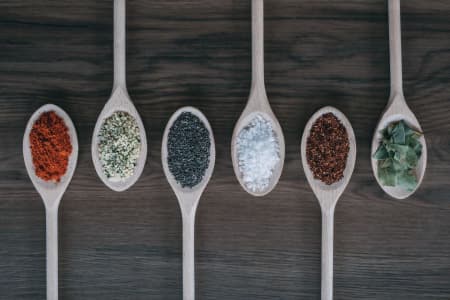
- Salt
- Pepper
- Garlic powder
- Onion powder
- Italian seasoning (for spaghetti and pizza)
- Chilli powder (for chilli)
- Soy sauce (for stir fry and fried rice)
- Taco seasoning (for tacos)
- Paprika (for baked chicken drumsticks)
- Cinnamon (for oatmeal and baking)
- Red pepper flakes (for stir fry or pizza)
- Olive oil (for cooking and dressing)
- Vegetable oil (for baking)
Miscellaneous
- Mayonnaise (for tuna salad, egg salad)
- Mustard (for sandwiches or egg salad)
- Salsa (for tacos or snacks)
- Sour cream (for tacos and chilli)
And there you have it – a complete two-week meal plan and grocery shopping list for anyone on a budget.
If you’re looking for a print-ready 1 page grocery list for these items, you can customize this editable family grocery list printable. It already includes common food and household items. You can customize it with what you need and reuse it each time you shop instead of starting a new list from scratch.
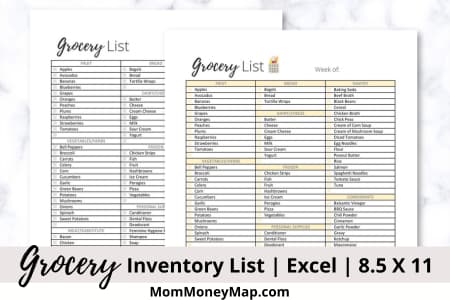
Now, how much this will cost will vary greatly depending on where in the world you’re located.
This is due to the cost of living in your area, transportation costs, availability, and more.
What I recommend doing for your first shopping trip is to keep track of the cost as you shop or check the prices online before you go.
If you want to track your purchases, my grocery bill tracker spreadsheet lets you compare spending across categories, stores and months so you can identify where your grocery money is going.
If you need to cut costs, I recommend cutting costs first by:
- Reducing the number of snacks you’ll have available in the house.
- Cooking more of a main meal so you have more leftovers for lunches, thereby eliminating the need for lunch ingredients.
- Fresh produce vs. canned or frozen produce.
- Cuts of meat.
- Items not on sale.
I hope these tips will help you save even more money on your two-week meal plan!
Related Articles on this Two Week Meal Plan On A Budget:
- Best Finance Books for Beginners
- Grocery List for 2 on a Budget
- Best Way to Keep Track of Bills and Expenses
Enjoyed this post?
It would be great if you could share it and follow me on Pinterest or Facebook.