Grocery List Ideas For Family
Here are some grocery list ideas for a family that won’t break the bank!
Grocery shopping on a budget is getting harder and harder to do.

But, like anything in life, it’s not impossible!
You can still cook healthy meals for your family while sticking to a budget, and I’m going to show you how!
From a full grocery list to tips on saving more, this blog post has you covered!
Here’s a breakdown of what’s covered:
- Essentials for Every Family Grocery List
- How to Create A Grocery Budget
- Budget-Friendly Grocery Shopping Tips
- Meal Planning – Is It Worth It?
- Final Tips for Making the Most of a Family Grocery List
Ready to hit the grocery store and not blow your budget?
Let’s go!
If you’re looking for a grocery list for only 2 people on a budget, here’s a grocery list for 2 on a budget.
This post may contain affiliate links, meaning if you make a purchase, I may earn a small commission, at no cost to you. Please read the disclosure for more information.
Essentials For Every Family Grocery List
Having a well-planned grocery list is essential when you’re on a budget.
It’s about striking the ideal balance between nutritious choices and budget-friendly options.
That’s why I’ve put together a list of essential grocery items that I keep stocked in my house weekly.
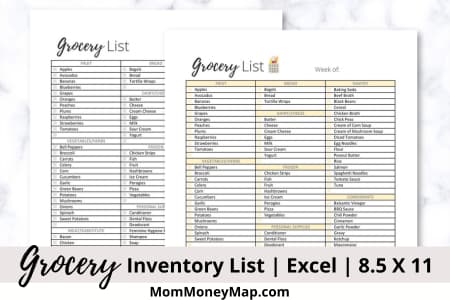
If you don’t want to read this full list of items, you can download my editable family grocery list printable, which includes common food and household items already included. You can customize it with your family’s regular purchases and reuse it each time you shop instead of starting a new list from scratch.
Fresh Produce
Unless you have a generous grocery budget, keeping berries and other pricey produce stocked in the fridge may not always be practical. (No matter how much your kids want them!)
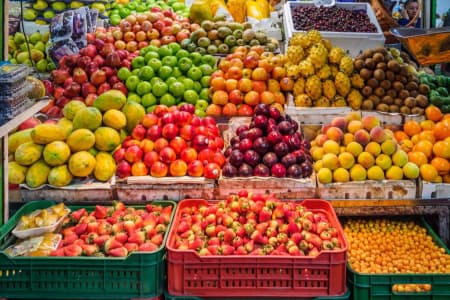
I’ve found that the secret to eating healthy without breaking the bank is choosing fresh produce that’s both affordable and long-lasting.
Here are some of those affordable, healthy options.
- Bananas
- Oranges
- Apples
- Seasonal Fresh Fruit
- Carrots
- Cucumber
- Potatoes
- Sweet Potatoes
- Cabbage
- Onions
- Celery
- Spinach
- Broccoli
- Cauliflower
- Green Beans
- Bell Peppers
- Seasonal Fresh Vegetables
- Parsley, Cilantro, Green Onions, or Other Herbs
That doesn’t mean you have to skip other fresh produce like strawberries, avocados, or asparagus entirely.
I recommend waiting for the weeks that these items go on sale to stock up!
Meat
While protein is often the most expensive item on a weekly grocery list, it’s a good idea to incorporate plenty of it in every meal, as it will fill you up for longer.
Plus, there are many ways to add more protein without spending too much of your budget.
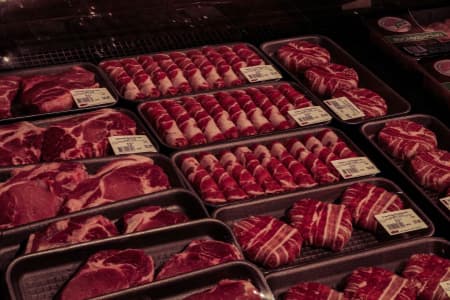
Here’s a list of budget-friendly meat cuts to help families create satisfying meals without breaking the bank!
- Whole Chicken – One of the most economical options, and you can roast it whole or break it down into parts to stretch it across multiple meals.
- Chicken Thighs and Drumsticks – Often cheaper than breasts, plus they’re more flavorful and stay moist in various recipes.
- Bone-In, Skin-On Chicken Breasts – Generally less expensive than boneless, skinless breasts. Plus, you can remove the skin if desired or use it for added flavour.
- Ground Beef (80/20 or 85/15 blend) – Typically more affordable than leaner options and can be used for burgers, meatloaf, tacos, and casseroles.
- Chuck Roast – Ideal for slow cooking; turn it into a pot roast, stew, or shredded beef for tacos or sandwiches.
- Beef Brisket – A budget-friendly cut that becomes tender and flavorful when slow-cooked or braised.
- Flank and Skirt Steak – Less expensive than other steaks and perfect for stir-fries, fajitas, or grilled steak salads.
- Stew Meat – Often made from tougher cuts, stew meat is affordable and works well in soups, stews, or slow-cooker meals.
- Pork Shoulder or Boston Butt – An inexpensive cut that’s perfect for pulled pork, roasting, or slow-cooked dishes.
- Pork Loin – Cheaper than tenderloin but still tender and flavorful; roast whole or slice into chops for grilling or baking.
- Pork Ribs (spare ribs or country-style) – Usually less expensive than beef ribs; great for barbecuing or slow-cooking.
- Ground Pork – Often cheaper than ground beef and can be used in a variety of dishes like meatballs, meatloaf, or tacos.
- Lean Ground Turkey – A versatile, lean option that’s usually cheaper than ground beef and works in burgers, meatballs, or stir-fries.
- Whole Turkey – Buy in bulk when on sale, then portion and freeze for later meals.
- Canned Tuna and Salmon – Inexpensive sources of protein and omega-3s; use in sandwiches, salads, or casseroles.
- Frozen Fish Fillets – Usually less expensive than fresh fish; look for sales on cod, pollock, or other white fish for budget-friendly options.
Dairy
Dairy products are a staple in many households, offering a great source of protein, calcium, and other essential nutrients.
You can make the most of your grocery budget by choosing versatile items while keeping everyone’s favourite dishes on the menu.
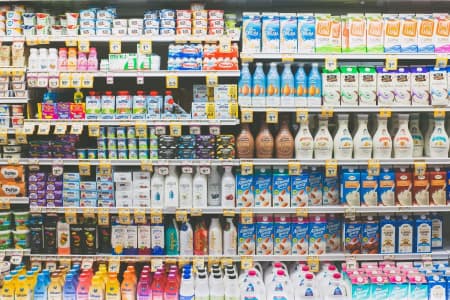
Here are some dairy items that balance affordability and versatility, perfect for family meals and healthy snacks.
- Milk of Choice (think whole milk, 2% milk, almond milk, soy milk, etc.)
- Blocks of Cheese
- Cream Cheese
- Cottage Cheese
- Sour Cream
- Yogurt (think Greek yogurt, coconut yogurt, plain yogurt, etc.)
- Butter
- Eggs
Pantry Staples
A well-stocked pantry is the backbone of budget-friendly cooking.
With the right pantry items on hand, you can whip up plenty of delicious meals while sticking to a budget.
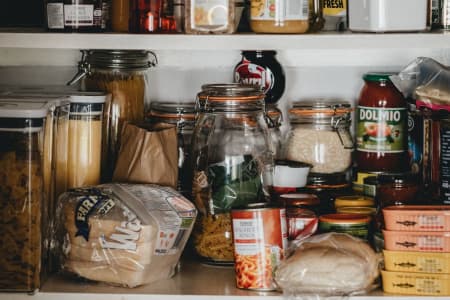
Besides being budget-friendly, these dry goods offer versatility and longevity, making them perfect for stretching your family’s grocery budget.
- Brown Rice
- Whole Wheat Pasta
- Canned Beans (black, kidney, chickpeas)
- Canned Tomatoes
- Tomato Paste
- Canned Tuna or Salmon
- Chicken or Vegetable Broth
- Peanut Butter
- Olive Oil or Vegetable Oil
- Vinegar (white, apple cider, or balsamic)
- Flour (all-purpose)
- Sugar (white and brown)
- Baking Powder and Baking Soda
- Oats
- Bread Crumbs
- Soy Sauce
- Hoisin Sauce
- Honey
- Maple Syrup
- Ketchup and Mustard
- Coffee and Tea
- Salt and Black Pepper
- Garlic Powder and Onion Powder
- Chili Powder and Paprika
- Oregano, Basil, and Rosemary
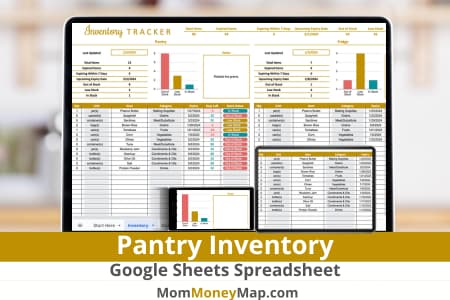
It’s important to keep a running inventory of the foods you use regularly, update quantities when something runs low and check expiration dates before shopping. My pantry inventory spreadsheet can track quantities, categories, storage locations and expiration dates while flagging items that are low, out of stock or nearing expiration.
Bakery
Bakery items can add variety and convenience to family meals without a huge price tag.

Stocking up on versatile options from the bakery aisle can make breakfast, lunch, and even dinner prep a breeze, especially for busy families.
- Bread (whole wheat, white, or multigrain)
- Rolls and Buns
- Bagels
- Tortillas or Wraps
- English Muffins
Freezer
Frozen foods are a lifesaver for busy families, providing convenience, a long shelf life, and often a lower cost than fresh.

Plus, they can help you pull together quick, nutritious meals even when the fridge is running low.
- Frozen Vegetables (peas, corn, green beans, broccoli)
- Frozen Fruit (berries, mango, pineapple)
- Frozen Potatoes (fries, hash browns, or tots)
- Frozen Chicken Breasts
- Frozen Fish Fillets (tilapia, cod, or salmon)
- Frozen Pizza or Pizza Crusts
- Frozen Waffles or Pancakes
- Frozen Dough
How to Create A Grocery Budget
Now that you’ve got your shopping list let me share a few tips for creating a grocery budget.
This way, you can easily adjust your list as needed to stay within your budget.

From experience, it’s all too easy to overspend on groceries if you’re not mindful.
Here’s my step-by-step process for setting a grocery budget that takes all your household expenses into account.
- Calculate Your Monthly Income and Expenses
Start by reviewing your total household income and necessary expenses, like rent or mortgage, utilities, and bills. Determine how much you can comfortably allocate to groceries each month. - Estimate Your Grocery Needs
Consider how many meals you’ll be making at home each week, taking into account any dietary needs, family preferences, and regular staples to get a good estimate of your grocery needs. - Set a Weekly Budget
Divide your monthly grocery budget by the number of weeks in the month. This way, you’ll know how much you can spend each week and can avoid running out before month-end. - Adjust for Special Occasions or Bulk Purchases
If you know you’ll have guests, celebrations, or need to buy bulk items one week, plan for it by allocating a little extra or reducing spending in other weeks. - Track Your Spending
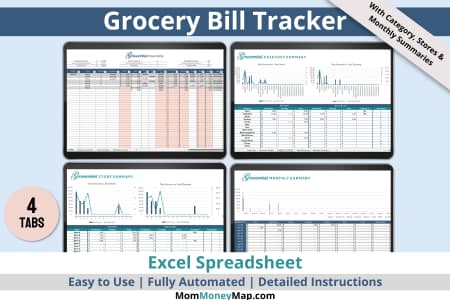
Save your receipts or use a budgeting app to track how much you’re actually spending. This can help you identify trends, like overspending in certain categories, so you can adjust. If you want to track your purchases, my grocery bill tracker spreadsheet lets you compare spending across categories, stores and months so you can identify where your grocery money is going. - Separate “Needs” from “Wants”
When shopping, prioritize necessary items and staples. Treating the family occasionally is fine, but knowing the difference helps keep your budget on track. - Review and Adjust Monthly
Life changes, and so do grocery needs. Review your budget each month to see if it’s realistic or needs adjusting based on changes in income, family size, or food prices. - Look for Areas to Cut Back
Are there certain items you consistently overspend on? Consider alternatives like store brands, buying in bulk, or adjusting recipes to cut costs.
It may take a little trial and error to perfect your budget grocery list, but with consistency and balance, you’ll get there in no time!
But what about ways to save extra money while shopping?
Budget-Friendly Grocery Shopping Tips
One thing I hear time and time again is this myth that sticking to a budget means:
- Your meals will have no variety.
- You can’t buy healthy foods.
- What you cook won’t satisfy the whole family.
But these are all myths!
In fact, with a few savvy shopping strategies, you can make the most of your grocery trips while keeping costs low.
Here are some tips to help you shop smarter!
Plan Your Meals Around Sales
If you’re looking to add variety to your different meals, all it takes is planning your meals around what’s on sale for the week.

Check weekly flyers, digital coupons, and meal plans based on what’s on sale.
Plus, you’ll often find seasonal produce readily on sale as they have an abundance of products they don’t want to spoil.
Buy In Bulk When It Makes Sense
Listen, I am a huge fan of buying in bulk.
However, I think we can all agree there have been times when it doesn’t make sense – so skip it!
With that said, things like rice, pasta, canned goods, and the like are often more affordable when bought in bulk, so why not take advantage of that?
Use Store Brands
Store-brand items are typically just as good as name brands but at a fraction of the cost.
Plus, you’ll often see store brand items going on sale more often!
So, next time you’re shopping, give them a try to see what you can swap in your regular list.
Shop With A List and Stick To It
Want to stick to your budget, reduce food waste, and be efficient in the grocery store?
Then, stick to your basic grocery list!
A list helps prevent impulse buys and missed items every single time!
Choose Versatile Items
One of the most effective ways to save money is to focus on buying foods that can be used in different ways.
For example, potatoes can be used as hashbrowns at breakfast or mashed potatoes at dinner.
Rice could be used in a salad bowl for lunch and a stir fry for dinner.
The perfect grocery list will be full of low-cost items that are versatile.
Limit Processed and Pre-Packaged Foods
This tip isn’t just about focusing on the healthiest foods by making everything yourself.
It’s often cheaper to make everything yourself, too, especially when you can buy in bulk or use ingredients across multiple recipes.
For example, a jar of tomato sauce can cost $5-8.
But with some basic canned tomatoes and vegetables or seasonings, you can make your very own pasta sauces for much less!
Even more simple than that, rather than buying a bag of pre-shredded cheese, you’ll get more for less if you buy the full block and shred it yourself.
While this meal prep will take some extra work, it will save you a lot of money in the long run!
Don’t Shop Hungry
Okay, we’ve all heard this one – but this classic tip works!
Shopping on an empty stomach can lead to unnecessary impulse buys.
Shop with Cash (or a Budgeting App)
Using cash or setting a digital budget can help you stay mindful of your spending and avoid going over budget while you’re shopping.

This tip is especially valuable if you’re working with a really tight budget.
I hope these tips make it easier to stretch your grocery budget while still providing delicious, nutritious meals for your family!
Meal Planning – Is It Worth It?
The answer to this question – it depends!
Listen, I am a big fan of meal planning.
It can help you save money, cut down on food waste, and make it easier to stay consistent with cooking at home every day.

However, I understand that this may not work for all families.
Some nights, an unexpected event may pop up that cuts your cooking time from 45 minutes to 15.
Or you might have a sick kid who just wants soup for supper instead of chicken.
That’s why I am a fan of sticking to an essentials-only grocery list that makes it easy and possible to throw together a quick meal based on the staples you have in your house!
But if you like meal planning and it works for you, it is absolutely worth it!
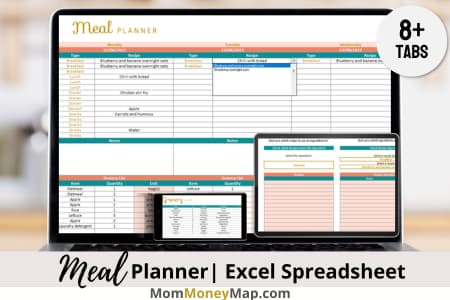
To simplify the process, you can use my meal planner with an automated grocery list. As you plan your meals, the spreadsheet automatically creates a grocery list, so you don’t have to write out everything you need separately.
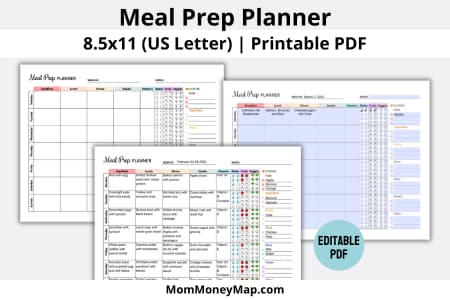
Prefer using pen and paper? My printable meal planner includes weekly meal-planning pages, grocery lists and food inventory sheets to help you plan meals around what you already have at home.
Final Tips for Making the Most of a Family Grocery List
Creating a thoughtful grocery list is more than just planning meals—it’s about setting your family up for a week of stress-free, nutritious, and budget-friendly eating.
By focusing on essentials, planning around sales, and keeping a few budget-friendly tricks in mind, your list can become a tool for saving time and money.
Remember, the goal isn’t perfection.
Some weeks will be smoother than others, and that’s okay!
Experiment with new recipes, embrace leftovers and involve the family in meal planning to keep things fresh and fun.
With a little practice, you’ll be a pro at turning these grocery list ideas for family into a powerful tool for family well-being and financial savings!
Related Articles on this Grocery List Ideas For A Family On A Budget:
- Easy Grocery Shopping Tips On A Budget
- Grocery List for 2 on a Budget
- Ultimate Budget Categories and Subcategories List
- Two Week Meal Plan on a Budget
Enjoyed this post?
It would be great if you could share it and follow me on Pinterest or Facebook.